
Worm parasites are a common problem in aviculture, affecting the health and well-being of captive birds. The most commonly seen are protozoa (one-celled animals), helminths (worms), and arthropods (insects and mites). Some of the most common types of worm parasites found in aviculture include:
Type of parasites
Let us learn about what each parasite are:
Roundworms
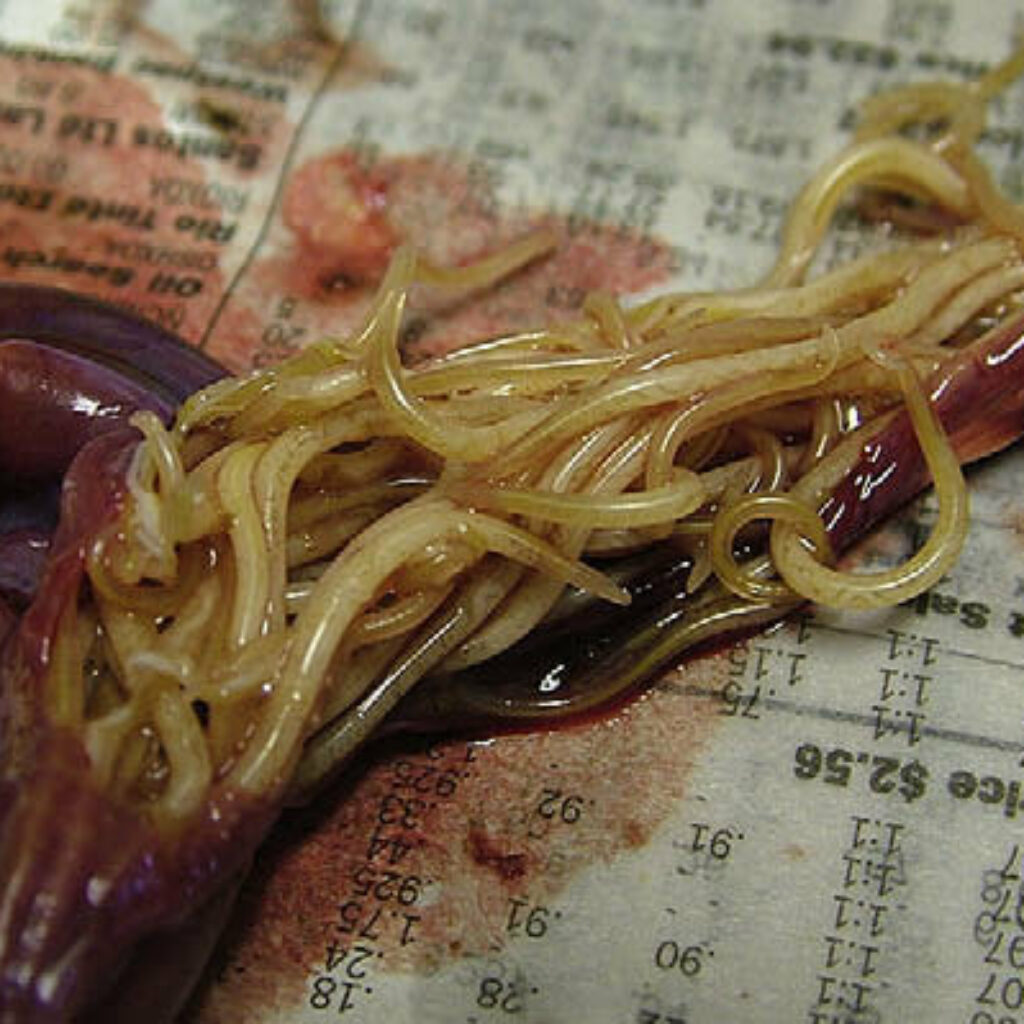
Roundworms are a type of parasite commonly found in the gastrointestinal tract of avian species. They are long and slender, and can grow up to several inches in length. These parasites can negatively affect the health and well-being of birds, leading to symptoms such as weight loss, diarrhoea, lethargy, and reduced appetite. In severe cases, roundworms can lead to death. They can cause a variety of health problems, including diarrhoea, weight loss, and poor feather growth.
Tapeworms
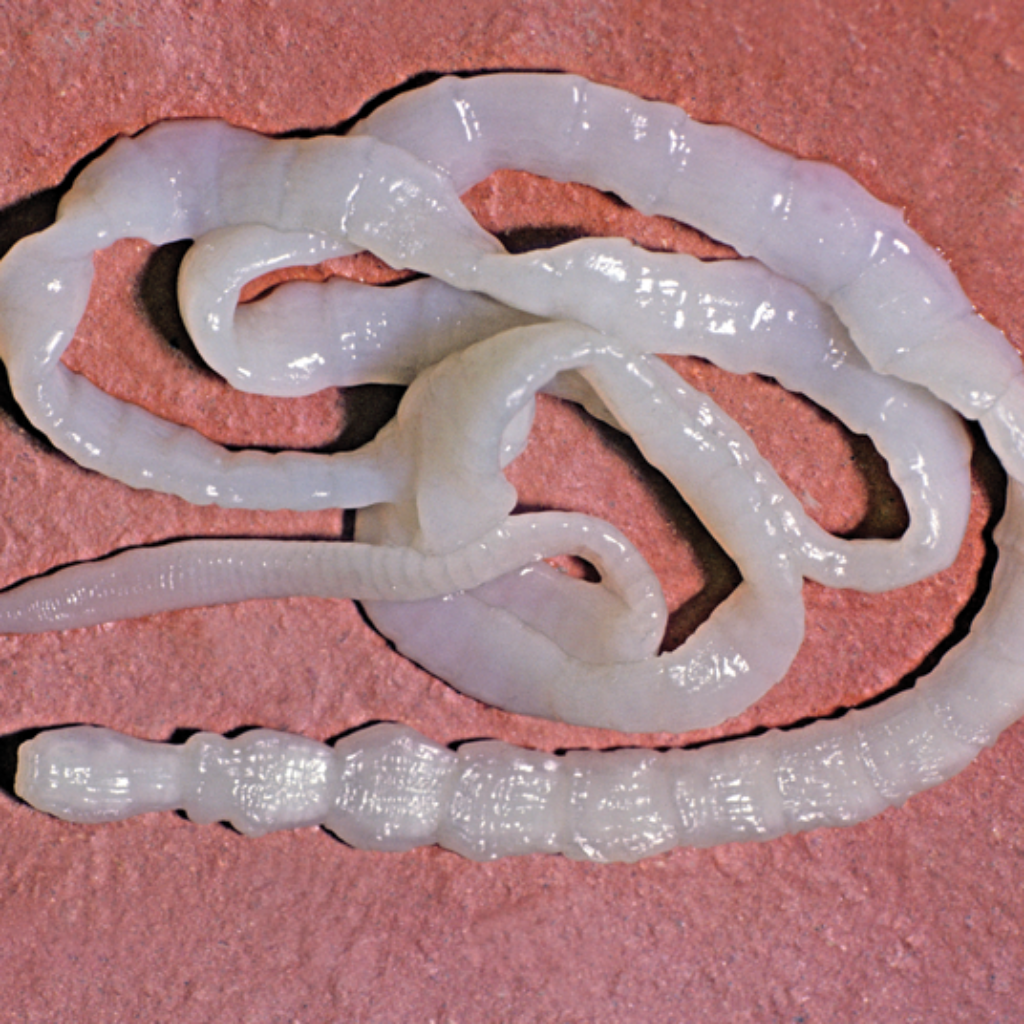
Tapeworms are long, flat parasites that can cause a variety of health problems, including abdominal pain, weight loss, and anemia. Tapeworms are a type of parasitic worm that can infect captive birds. They are found in the bird’s intestines and can cause a variety of health problems, including weight loss, diarrhea, and decreased appetite.
Giardia
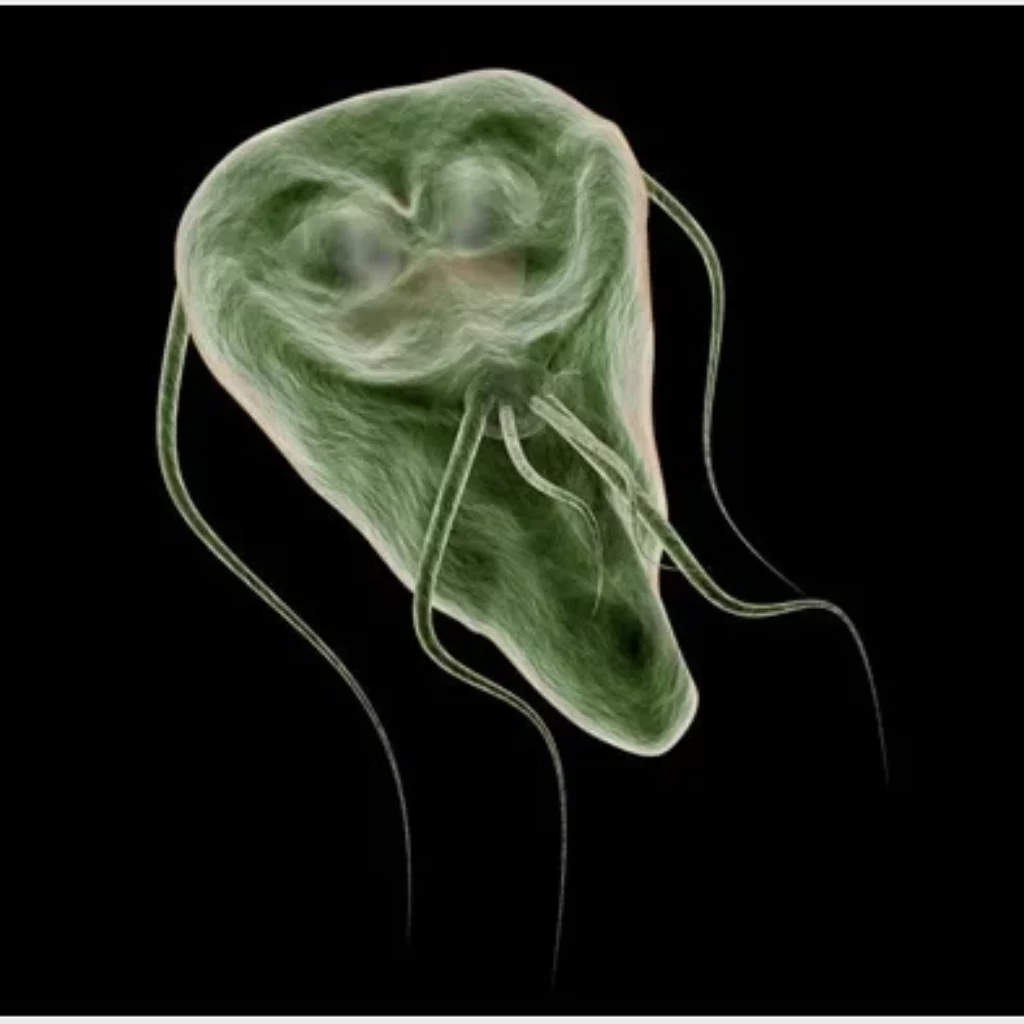
The Giardia parasite is a single-celled parasite that can infect the digestive systems of birds and other animals, including humans. It is commonly found in water sources that have been contaminated with faeces. Giardia infection in birds is known as Giardiasis and can cause a range of symptoms, including diarrhoea, weight loss, lethargy, and dehydration.
It is a common parasite that can cause a variety of symptoms in infected birds, including diarrhoea, weight loss, and decreased appetite.
Coccidia
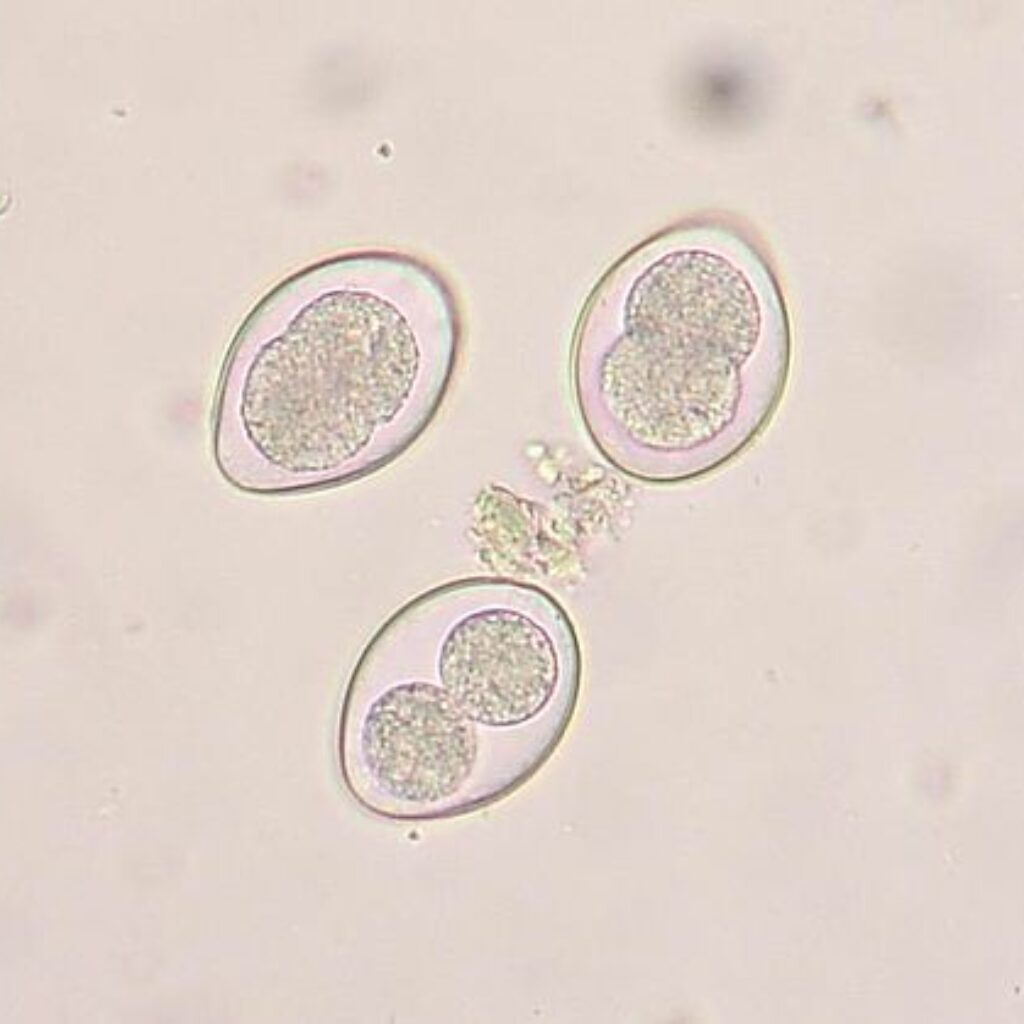
A single-celled parasite (protozoan) called coccidia can infect a bird’s gastrointestinal system. Eimeria is the species that affects birds the most frequently. Diarrhoea, loss of weight, anaemia, and even death can be brought on by coccidiosis, especially in young or immunocompromised birds.
When in direct touch with diseased birds or through contaminated feed or water, coccidiosis can spread swiftly and is extremely infectious. Clinical symptoms might vary based on the infection’s severity, but often, birds with Coccidia infection will have diarrhoea, lack of appetite, and weight loss. In severe situations, anaemia may also develop in birds, and the illness may spread throughout the body.
A faecal examination, in which a veterinarian checks a fresh sample of faeces for the presence of Coccidia oocysts, is often used to diagnose coccidia infection. Anti-protozoal drugs, combined with supportive treatment including fluids and electrolyte replacement therapy, are typically used to treat coccidiosis. In addition to taking medicine, it’s critical to follow appropriate biosecurity procedures, such sanitising and cleaning the surroundings, to stop the parasite from spreading.
Lungworms
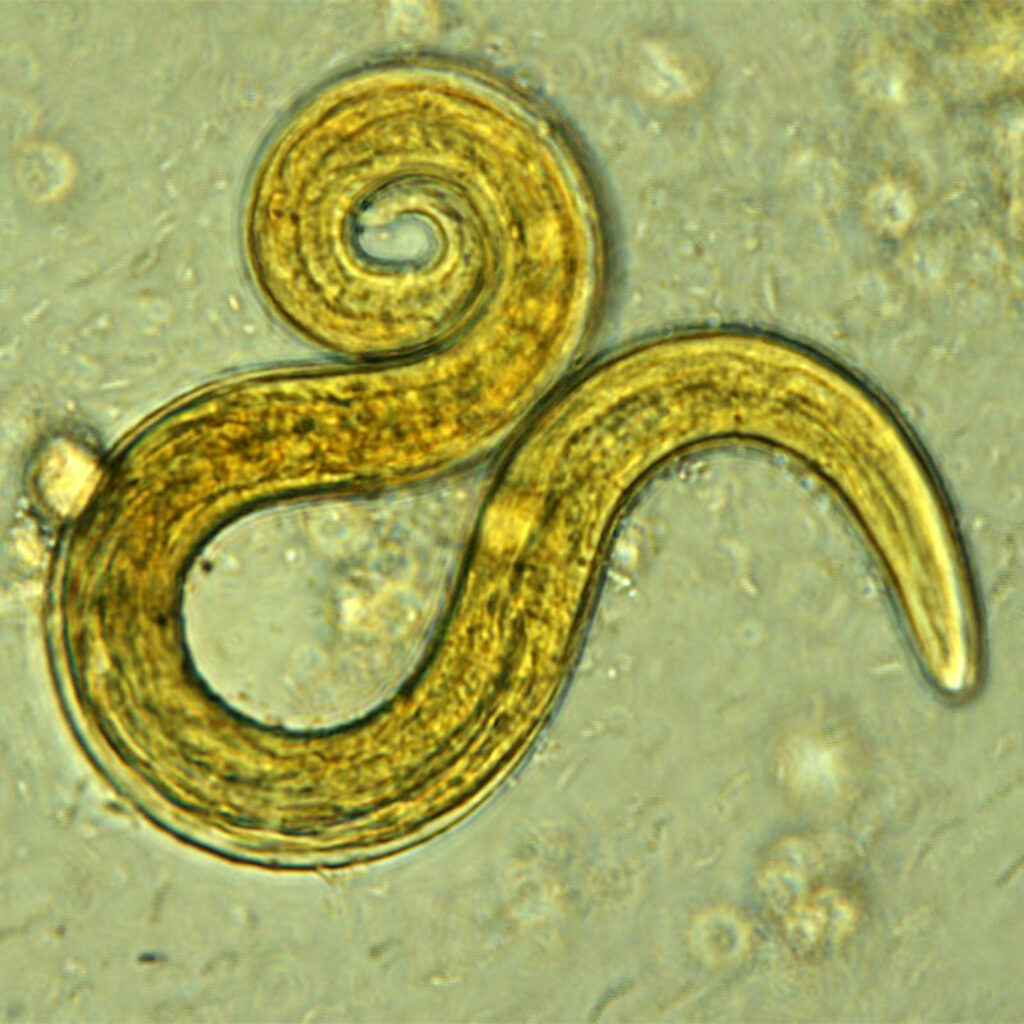
The lung worm is a type of parasitic worm that infects the respiratory system of birds, causing various symptoms such as coughing, sneezing, difficulty breathing, weight loss, and decreased appetite. The worm is commonly found in pigeons, doves, and many species of wild birds. It can be transmitted to captive birds through contaminated food and water or through contact with infected droppings.
The diagnosis of lung worm infection can be made through a combination of physical examination, laboratory testing, and radiographs. Treatment involves the use of anthelmintic drugs, which are drugs specifically designed to kill parasitic worms.
It is important to take preventive measures to reduce the risk of lung worm infection in captive birds, such as providing clean and fresh food and water and regularly cleaning and sanitising the aviary or cage. Regular veterinary check-ups and testing are also crucial in the early detection and treatment of lung worm infections.
Hexamita
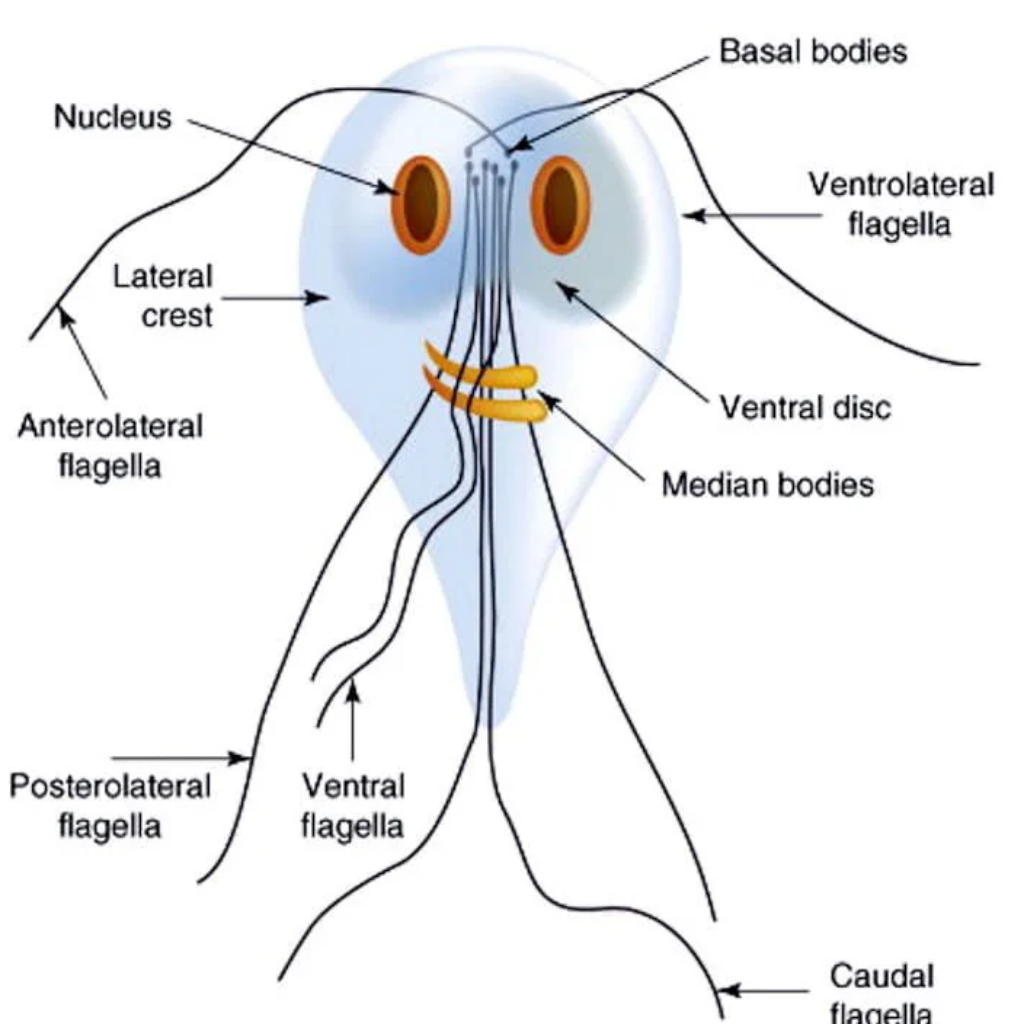
Hexamita is a type of parasitic protozoan that is commonly found in the intestinal tracts of birds, reptiles, and fish. It is a type of flagellate parasite and is closely related to Giardia. Hexamita is known to cause digestive problems, weight loss, and anaemia in infected birds. The parasite is usually transmitted through contaminated food, water, or other objects in the environment. It can also be transmitted from bird to bird through close contact.
Diagnosis of parasites
- Physical examination, aided by magnification, can help in detecting external parasites on birds.
Samples such as swabs or scrapings should be taken from any visible skin or oral lesions.
Fresh faeces should also be examined regularly. - Direct mounts of faeces should be mixed with saline to avoid distorting protozoan parasites, making it difficult to identify them.
- Flotations can also be performed using specialised solutions, where the faeces is mixed with the solution causing parasite eggs to float to the surface, making them easier to identify through microscopic evaluation.
- In severe cases, necropsies may be necessary, with samples taken from the intestinal contents for parasite analysis and proper tissue preservation and histopathology evaluation by a pathologist.
Transmission
Parasites are transmitted to birds through contaminated food, water, or surfaces. They can also be passed from an infected bird to a healthy bird through direct contact or shared living spaces.
Medication or treatment
To cure parasites in birds, a veterinarian may prescribe a deworming medication. It is important to follow the recommended dosage and treatment plan, and to continue to monitor the bird for any recurring infections.
In addition to medical treatment, it is important to implement good hygiene practices to prevent the spread of parasites. This may include thoroughly cleaning and disinfecting the bird’s living spaces, washing hands after handling the bird or its droppings, and avoiding the sharing of food and water dishes.
Overall, it is important to stay vigilant and take proactive measures to prevent and treat parasites in captive birds. With proper care and attention, you can help to keep your birds healthy and free from this common parasite.
Medicine: Metronidazole (Flagyl, Metrogyl)
Disclaimer: Please consult veterinarian or doctor before administering the medicine and dosage.
Conclusion
It is important for aviculturists to monitor their birds for any signs of worm parasites, and to take steps to prevent and treat infections. This may include regular deworming, maintaining good hygiene practices, and using safe and effective parasite control products. By taking these steps, you can help to keep your birds healthy and free from worm parasites.
